
BLOG / GUIDE · 7 min read
Syntri Labs · October 2026
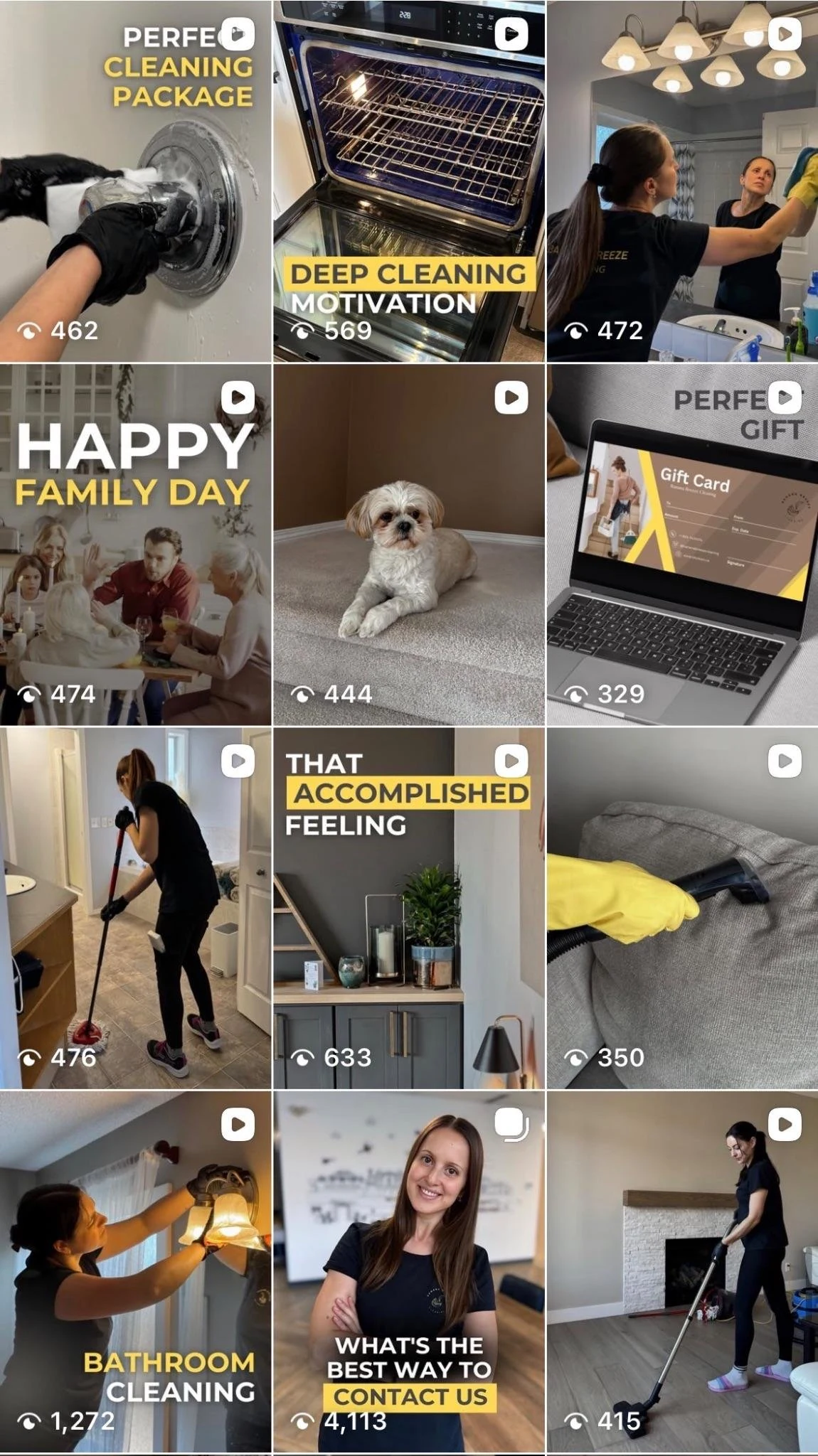
Calgary has hundreds of cleaning companies, and from the outside most of them look the same: a logo, a list of services, a quote form. Switching costs for the customer are zero. So the question "how do I get more cleaning clients" is really two questions: where do people in Calgary actually pick a cleaner, and what makes them pick you instead of the next quote.
We have run this for a Calgary cleaning company that doubled revenue in twelve months, and for others since. Below is what we do, in the order we do it, including the parts that are free.
Four sources carry nearly every booking we have tracked for cleaning companies, and they do different jobs.
Flyers, door hangers and lead marketplaces also exist. Marketplaces sell the same enquiry to several companies at once, so you end up in a price race with four competitors for a single bathroom. We do not recommend them as a primary channel.
In a crowded market an ad is an invitation to compare, and if your brand looks like everyone else's the customer has one criterion left: price. With the Calgary cleaning company we did almost the opposite of what the owner expected. The brand was rebuilt first, so the company stopped being interchangeable in a feed full of identical cleaning offers. Then pricing was restructured, and the average price went up about 30 percent without losing demand. Only then did the ads start. The full sequence is in how a cleaning company doubled revenue in Calgary's most saturated market.
In practice, "fix the offer" means three decisions you can make this week:
Most owners we audit do not have a lead problem. They have a follow-up problem. The enquiry arrives at 7:40 p.m. while the owner is finishing a job, gets a reply at 10 the next morning, and by then the customer has booked the company that answered in four minutes. The fix is not working longer hours.
This runs inside the job software you already use. We set it up in Jobber or HubSpot as part of our home services work, and the owner's phone stops being the bottleneck.
A cleaning company with a steady flow of reviews ranks higher in the map pack, converts more of the people who find it, and can charge more. The flow comes from the process, not from asking nicely once a year. Every completed clean triggers a request the same evening, with a direct link, and the owner replies to each review within a day. Mention the service and the neighbourhood when you answer, because "thank you for trusting us with your move-out clean in Tuscany" is text Google reads too. Three new reviews a week is a realistic target for a crew of four.
If you do nothing else this month, do this, in this order.
None of this costs ad money. It costs attention for a month, and it is the foundation the ads will multiply.
Turn on paid traffic when the profile has fresh reviews, the service pages show prices and the follow-up answers in minutes. Before that, ads pay to expose the gaps at scale. For cleaning companies Meta usually comes first: a campaign per service, built on the before-and-after footage, with a lead form or a message as the next step. For the Calgary company this produced 1,500+ qualified leads at $5 to $15 per lead over twelve months, and a calendar booked about two weeks ahead. Google search ads come second, for the move-out and post-renovation searches where the buyer is ready today and the click is worth paying for. How we run both is on the Meta Ads page and the Google Ads page, and the fees are on the pricing page.
Judge the campaigns by cost per booked job, not cost per lead. A lead at eight dollars that nobody called back cost you eight dollars and a customer.
Enough to get 30 to 50 leads a month on your main service, so the numbers mean something within the first month. For most Calgary cleaning companies that is a four-figure monthly budget paid directly to Meta or Google from your own account. Start with one service, read the cost per booked job, then widen.
Usually no. The cheapest cleaner attracts the clients who leave for the next cheapest one. Make the offer specific, show the price, answer first and ask for the review, and you can hold or raise prices. The Calgary company in our case raised its average price about 30 percent during the year its revenue doubled.
The profile brings the "near me" bookings on its own. The website is what makes ads work and what turns a one-off visit into a recurring plan: a page per service, prices, before-and-after photos and a form that reaches you. If you plan to run ads, build the pages first.
Faster replies and the review flow show in bookings within two to three weeks. Profile changes take four to eight weeks to move the map ranking. Meta campaigns bring enquiries in the first week they run, and a stable cost per booked job takes about a month of testing.
Want to know if your marketing is set up to lose? The free audit shows where the leaks are.
Get your audit in 60 seconds →More from the blog: all articles →